
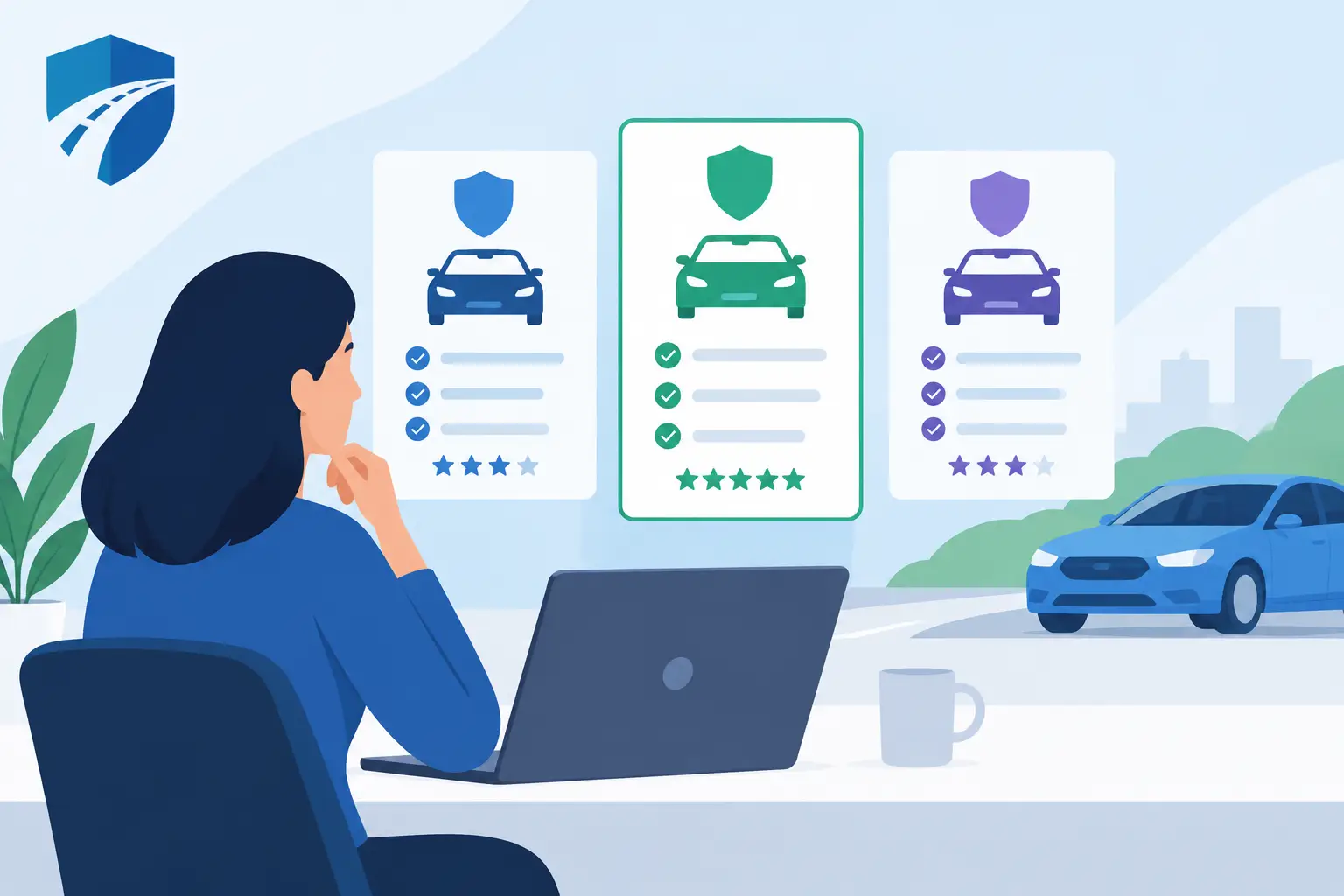
A lower premium can feel like a win until a claim exposes a gap you did not know was there. Knowing how to compare insurance carriers means looking past the first price quote and asking a more useful question: which company is most likely to protect your business, property, vehicles, and family when something goes wrong?
For a business owner, insurance is not just a monthly bill. It is part of the plan that keeps an accident, lawsuit, fire, theft, or employee injury from becoming a major financial setback. The right carrier and policy depend on your real exposures, not just the category printed at the top of a quote.
Start With the Coverage You Actually Need
Comparing carriers only works when each company is quoting the same risk. If one insurer is quoting lower liability limits, a higher deductible, or fewer endorsements, its price may look better without providing the same protection.
Begin by listing what you need to protect. A contractor may need general liability, tools and equipment coverage, commercial auto, and workers’ compensation. A landlord may need coverage for rental income loss, premises liability, and property damage. An auto repair business may need garage keepers coverage for customers’ vehicles in its care. A family that owns a business may also need to coordinate home, auto, life, and health coverage around the broader financial picture.
Ask each carrier to quote the same limits, deductibles, and coverage options whenever possible. If the policies differ, ask for a plain-English explanation of what is different and what that difference could mean during a claim.
Look Beyond the Policy Label
Two policies with the same name can protect very different things. A Business Owners Policy, for example, typically combines property and liability coverage, but the details vary by carrier and industry. One policy may include valuable coverage extensions, while another requires you to add them separately.
Pay special attention to whether the quote includes coverage for business interruption, equipment breakdown, cyber events, hired and non-owned auto liability, professional liability, ordinance or law costs, and damage to property in your care. Not every business needs every option. The point is to identify the exposures that matter to yours before assuming a policy is complete.
How to Compare Insurance Carriers Beyond Premium
Premium matters, but it should be one part of the decision rather than the whole decision. A carrier that costs less may be an excellent fit if the coverage, deductible, claims experience, and financial standing meet your needs. It may also be less suitable if the savings come from restrictive terms or coverage gaps.
Use a side-by-side comparison that includes these items:
- Annual and monthly premium, including installment or policy fees
- Liability limits, property limits, deductibles, and sublimits
- Included endorsements and optional coverage enhancements
- Key exclusions, conditions, and business activity restrictions
- Claims reporting process, local adjuster availability, and expected response times
- Financial strength and the carrier’s history in your line of business
A comparison like this keeps the conversation focused on value. It also makes it easier to see why two quotes with a few hundred dollars between them may not be equivalent.
Read Exclusions Before You Need Them
The most expensive policy problem is often an exclusion discovered after a loss. Exclusions are circumstances, property, activities, or types of damage a policy does not cover. They are normal in insurance, but they should never be a surprise.
For example, a commercial property policy may have limits on water damage, certain types of theft, equipment failure, or vacant buildings. A general liability policy may not cover professional errors, employment-related claims, or damage to your own work. A personal auto policy may not cover regular business use of a vehicle.
Ask direct questions: What losses are excluded? Are there endorsements available to reduce this gap? Is there a sublimit that could be too low for a realistic claim? Clear answers now can prevent costly assumptions later.
Evaluate Financial Strength and Claims Capacity
Insurance is a promise to pay covered claims. That makes a carrier’s financial strength worth reviewing, especially when you are protecting substantial property, payroll, inventory, or liability exposure.
Financial strength ratings from independent rating organizations can offer useful context about a carrier’s ability to meet ongoing obligations. Ratings are not the only measure of quality, and they do not guarantee a perfect claims experience. Still, they are a sensible part of due diligence, particularly for long-term coverage such as life insurance or for businesses with significant potential losses.
You should also consider a carrier’s experience with your type of risk. An insurer that regularly serves restaurants, contractors, landlords, manufacturers, or automotive businesses may better understand the claims patterns and coverage needs in that field. That specialization can be valuable, but it should be weighed against price, coverage terms, and service.
Claims Service Is Where the Policy Becomes Real
A policy can read well and still become frustrating if the claims process is difficult. Before choosing a carrier, ask what happens after you report a loss. Can you report online and by phone? Is emergency support available? How are adjusters assigned? Who helps coordinate repairs, documentation, and status updates?
No carrier can promise that every claim will be simple. Coverage must be reviewed, facts must be verified, and complex losses can take time. But you should expect clear communication, a defined reporting process, and professional treatment throughout the claim.
For business owners, claims handling affects more than the policy. It can affect customer relationships, cash flow, operations, and your ability to reopen after property damage. A slightly higher premium may be worthwhile when it comes with stronger claims resources and a clearer service record for your industry.
Consider the Carrier’s Appetite for Your Risk
Insurance carriers have different underwriting appetites. In practical terms, that means one company may be comfortable insuring a risk that another carrier prices aggressively, restricts heavily, or declines altogether.
A carrier’s appetite can change as your business changes. Adding drivers, expanding to a new state, purchasing a building, hiring employees, storing more inventory, or offering a new service can all affect whether your current insurer remains a good fit. The best carrier for a startup may not be the best carrier three years later.
This is also why it helps to review coverage at renewal rather than automatically accepting the same policy. A review gives you the chance to update payroll, revenue, vehicle use, equipment values, locations, and operations. Accurate information supports a more reliable quote and reduces unpleasant surprises when a claim occurs.
Compare Service Before and After the Sale
Pay attention to how easy it is to get answers before you buy. If a carrier or representative cannot explain coverage clearly during the quote process, getting help later may be no easier.
Good service includes prompt quotes, straightforward explanations, and someone who will tell you when a lower-priced option leaves an important gap. It also includes support when you need to add a vehicle, update a mortgagee, change payroll, issue a certificate of insurance, or report a claim.
An independent brokerage can make this process more efficient because it can compare multiple carrier options instead of limiting you to one insurer’s products. Choice Insurance Company helps clients review those options in plain English, with recommendations based on the risks they actually face rather than a one-size-fits-all policy.
Know When Bundling Helps and When It Does Not
Bundling business and personal coverage can simplify payments, renewals, and communication. It may also create discounts, particularly for home and auto insurance. For many business owners, having one trusted advisor who understands both the company and the household is a practical advantage.
Still, bundling is not automatically the best answer. A specialized commercial carrier may offer better protection for a complex business exposure, while another insurer offers the best fit for your home or vehicles. Compare the total protection and total cost, not just whether every policy sits with the same company.
The goal is coordinated protection, not forced consolidation.
Ask for a Recommendation You Can Understand
A trustworthy recommendation should explain why a carrier is being suggested, what it covers well, where the limitations are, and how the price compares with meaningful alternatives. You should not feel pressured to choose the lowest quote or the most expensive one.
Before making a decision, ask for the key differences in writing and take time to review the declarations page, deductibles, endorsements, and exclusions. If a term is unclear, ask. Insurance should be understandable before there is a claim, not after.
The right carrier is the one that fits your current risks, has the financial and service capability to stand behind its policy, and gives you confidence that help will be available when your business, property, or family needs it most.