
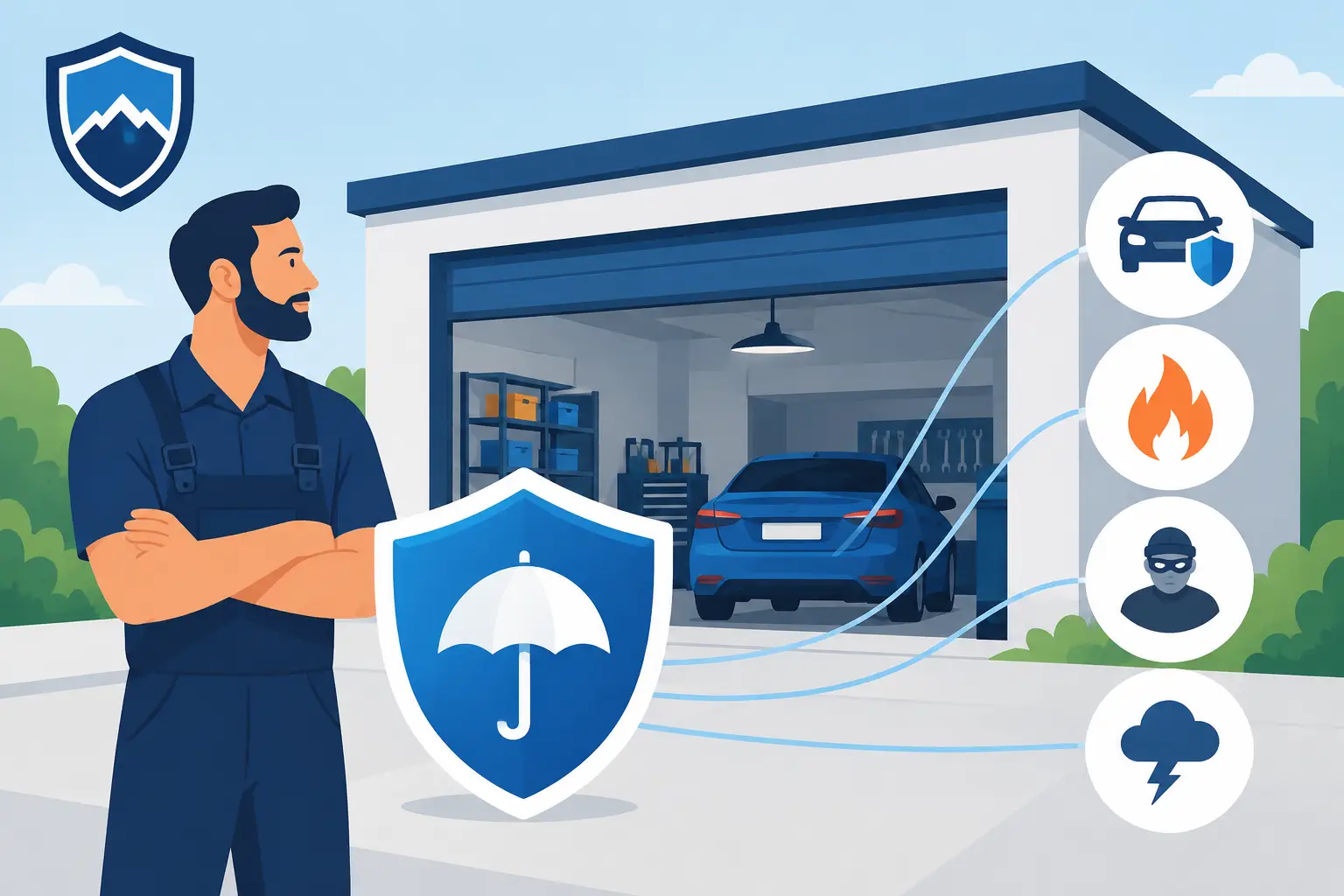
A customer leaves a vehicle with your business expecting it to be returned in the same condition. If it is damaged by a fire, theft, vandalism, collision, or severe weather while it is in your possession, the repair bill can quickly become your problem. Garage keepers insurance is designed for that risk – protecting customers’ vehicles while they are in your care, custody, or control.
For an auto repair shop, body shop, dealership, towing company, valet operation, or service station, this coverage can be one of the most practical parts of a commercial insurance plan. It addresses a gap that business owners sometimes discover only after a loss: your general liability policy may protect your business from certain third-party claims, but it does not automatically cover damage to customer vehicles you are storing, repairing, moving, or servicing.
What Garage Keepers Insurance Covers
Garage keepers coverage helps pay for physical damage to a customer’s vehicle while it is at your business or being handled as part of your operations. Depending on the policy and endorsements selected, covered causes of loss may include fire, theft, vandalism, windstorm, hail, collision, and damage caused while an employee is test-driving or moving a vehicle.
Think about the everyday situations that can create exposure. A vehicle is damaged when a lift fails. A fire spreads through a repair bay overnight. Hail hits a lot full of customer vehicles awaiting service. An employee backs a customer’s truck into another vehicle. These are the types of losses garage keepers coverage is intended to address.
Coverage is commonly available in three forms, and the difference matters:
- Legal liability coverage responds when your business is legally liable for the damage. For example, an employee’s negligence leads to a customer vehicle being damaged.
- Direct primary coverage can pay for damage to a customer vehicle in your care regardless of whether your business was legally at fault, subject to the policy’s terms and exclusions.
- Direct excess coverage may pay after the customer’s own auto insurance has responded, again subject to the policy terms.
Legal liability coverage may cost less, but it can leave more room for disputes over fault. Direct primary protection is often a stronger option for businesses that routinely hold high-value vehicles, keep vehicles overnight, or want a more straightforward customer experience after a covered loss. The right choice depends on how your operation works, the value of vehicles you handle, and the level of financial responsibility you are prepared to retain.
Garage Keepers Insurance vs. Garage Liability
The names are similar, but these policies protect different exposures. Garage liability insurance generally covers bodily injury and property damage claims arising from garage operations. If a customer slips in your waiting area or your employee causes an accident in a company-owned service vehicle, garage liability may respond.
Garage keepers insurance focuses on physical damage to a customer’s vehicle while it is in your business’s care, custody, or control. That distinction is critical. A garage liability policy alone may not pay when a customer’s car is stolen from your lot or damaged by a fire in your building.
Many automotive businesses need both. Garage liability addresses the broader liability risks of operating the business, while garage keepers coverage addresses the property exposure created when customers entrust their vehicles to you. A Business Owners Policy may also be useful for your building, business personal property, and certain liability risks, but it should not be assumed to include garage keepers protection.
Who Should Consider This Coverage?
Any business that takes possession of customer vehicles should review this exposure. That includes mechanics, auto body and collision shops, oil change centers, tire shops, dealerships, towing and impound operations, detailing businesses, parking garages, valet services, and mobile repair companies that drive or move customer vehicles.
The need is not limited to large repair facilities. A one-bay shop may have only a few customer vehicles at a time, but a single theft, hailstorm, or accident can still create a claim that is difficult for a small business to absorb. On the other hand, a dealership or storage operation may have dozens of vehicles on-site, making the total value at risk much higher than the value of its own equipment.
If you occasionally work on friends’ or customers’ vehicles from a home garage, do not assume a homeowners policy will cover the activity. Business use, customer property, and paid repair work often create exclusions or limitations. A conversation with an insurance professional can clarify whether your operation needs commercial protection.
Choosing the Right Limits
The most useful starting point is not a standard dollar amount. It is the maximum value of customer vehicles that could be in your care at one time. This may include vehicles inside your shop, parked outside, waiting for parts, in overnight storage, or being driven by an employee for a test drive or transport.
Consider both the total value and the highest-value single vehicle you may handle. A shop that normally services everyday vehicles may occasionally receive a luxury car, classic vehicle, heavy-duty truck, or specialty vehicle. If your limit is too low, you could face an out-of-pocket cost after a covered loss.
Also ask how your policy handles vehicles left outdoors, keys left in vehicles, and losses occurring away from your premises. Towing companies, mobile technicians, and businesses that transport vehicles need to pay close attention to territory, transit, and off-premises provisions. Coverage details can vary by carrier, so plain-English comparisons are more valuable than simply choosing the lowest premium.
Your deductible deserves the same attention. A higher deductible can lower the premium, but it means your business will pay more when a claim occurs. Choose an amount that fits your cash flow and your ability to handle an unexpected loss without disrupting payroll, parts purchases, or daily operations.
What May Not Be Covered
Garage keepers insurance is valuable, but it is not a blank check. Policies commonly exclude or limit certain losses, and the wording matters. Wear and tear, mechanical breakdown, faulty workmanship, and damage that existed before the vehicle entered your care are generally not the same as sudden accidental physical damage.
For example, if an engine fails because a repair was performed incorrectly, the cost to correct defective work may fall under a separate coverage issue. If the mistake causes an accident that damages the customer’s vehicle, there may be a different analysis. This is why repair shops should review garage liability, completed operations, errors and omissions exposures, and garage keepers coverage together rather than treating each policy as a separate decision.
Personal property inside a customer vehicle may also have limited coverage or require a separate endorsement. So may custom parts, aftermarket equipment, trailers, or vehicles held for an extended period. Do not rely on assumptions, especially if your business works with specialized, collectible, or commercial vehicles.
What Affects the Cost?
Premium is usually based on the size and nature of your operation. Insurers may consider your annual sales or payroll, the number of employees and drivers, the types of services you provide, the number and value of vehicles kept on-site, claim history, location, and security measures.
A fenced lot, alarm system, video surveillance, controlled key access, documented test-drive procedures, and employee driver screening can all support better risk management. They may not eliminate every loss or guarantee a lower rate, but they show that your business takes customer property seriously.
Price should be compared alongside coverage form, limits, deductibles, and exclusions. A lower-priced policy with legal liability only may be appropriate for one operation and a poor fit for another. The best value is the policy that responds the way you expect when a customer asks, “Who is paying for my vehicle?”
A Practical Way to Review Your Protection
Before requesting quotes, gather a clear picture of your operations. Know how many customer vehicles you have on-site during your busiest periods, where they are stored, whether employees drive them, and what the most expensive vehicle you are likely to handle is. Share any prior claims and explain the services you perform, including towing, storage, road testing, pickup and delivery, or mobile work.
An independent brokerage such as Choice Insurance Company can compare options from multiple carriers and explain the meaningful differences without forcing your business into a one-size-fits-all policy. The goal is not to add coverage you do not need. It is to identify the customer vehicle exposure your current plan may leave behind and match protection to your real operations.
Customers trust you with one of their most valuable possessions. Protecting that trust starts with knowing exactly what happens if their vehicle is damaged while it is in your hands.